
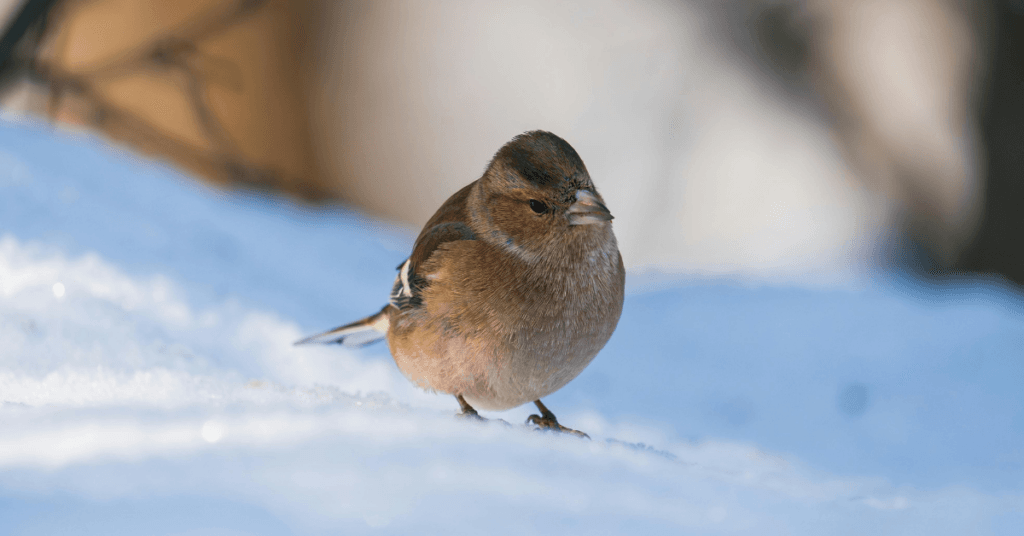
Want a Wildlife-Friendly Winter Landscape? Learn How Here
Wildlife activity doesn’t shut down just because temperatures drop. A thoughtfully designed, wildlife-friendly winter landscape can keep birds and small mammals fed and sheltered when conditions are toughest, while still looking beautiful and well-maintained for your property.
Why a Wildlife-Friendly Winter Landscape Matters
Winter is often the hungriest season for backyard birds and other wildlife, with short days, frozen ground, and limited food to forage. More species of seed‑eating birds may visit your yard in winter than at any other time. However, they face more competition when food is scarce and safe cover is hard to find. By planning a wildlife-friendly winter landscape, you can turn your yard into a working mini‑ecosystem rather than a dormant, empty space.
For homeowners, there are benefits beyond just helping the animals. Native planting and smart winter habitat design support pollinators and beneficial insects, which in turn improve your soil health and reduce pests during the growing season. This often translates into more resilient plantings and fewer chemicals needed over time. Not to mention the excitement for your pets, children, and even yourself to get to watch your native wildlife right through your windows!
Design Fundamentals for Winter Habitat
A wildlife-friendly winter landscape starts with structure. Layering groundcovers, shrubs, and trees creates vertical “rooms” that animals can use for foraging, hiding, and roosting. Extension experts recommend combining low vegetation, mid‑story shrubs, and a canopy layer to build a more complete habitat rather than relying on a just single row of evergreens. We can help with that!
Native plants belong at the center of your plan. They are adapted to local conditions and support native insects and birds more effectively than others. Shrubs such as winterberry holly, viburnums, and bayberry can hold berries well into the coldest months, providing both color for a beautiful landscape and a reliable food source through the winter season. In the Louisville area, recent USDA updates place most of the city in Zone 7, which opens up more options for winter food and cover plants, but still requires more hardy landscaping.
- Shelter: Giving Wildlife a Place to Hide From the Cold
Food is only half the equation; shelter can be a matter of survival. Creating a wildlife-friendly winter landscape often includes dense native shrubs, evergreen screens, and brushy thickets that provide breaks from the wind and cold, and roosting spots, helping small animals burn less energy staying warm. Conservation agencies note that many birds and mammals use dead vegetation, brush piles, and even rock piles to ride out winter storms and evade predators.
Professional guidance now encourages homeowners to leave at least some leaf litter, stems, and woody material in out‑of‑the‑way areas to protect overwintering insects and amphibians. Those hidden residents become critical food for birds in late winter and early spring. Nest boxes and cavity substitutes can also play a role; when placed correctly, they offer roosting shelter for small songbirds where natural tree cavities may be limited in neighborhoods.
- Food: Planting and Supplementing for Winter Calories
Designing a wildlife-friendly winter landscape means thinking in terms of year‑round food supply, not just summer blooms. Native trees and shrubs that produce nuts and berries, like oaks, hollies, and fruiting viburnums, provide “soft and hard mast” that persists into the coldest months. Research highlighted by land stewardship groups emphasizes that these native mast producers are a backbone for backyard wildlife habitat.
Supplemental feeding becomes especially important during cold snaps and ice events. Guidance from bird‑conservation organizations consistently highlights high‑calorie foods like black oil sunflower seed and suet as winter staples for backyard birds. Providing clean, unfrozen water is just as important, and a heated birdbath or frequently refreshed shallow dish can be a lifeline when natural sources freeze over. Simple choices like positioning feeders and baths near shrubs or evergreens give visiting birds quick escape cover from predators.
How a Landscape Company Can Help You Get it Right
Turning good intentions into a functional, attractive, wildlife-friendly winter landscape calls for more than scattering a few feeders. A landscape professional can evaluate sun, wind exposure, existing trees, and your USDA hardiness zone to recommend winter resources and plants that support wildlife year-round without accidentally creating too much maintenance. Here in Louisville and Southern Indiana, that might mean combining hardy evergreens, native berry shrubs, and strategic hardscape to protect both plants and habitat from freeze‑thaw cycles.Experienced designers also know how to balance “wildlife value” with curb appeal and local regulations, knowing where to leave brush, deadwood, and leaf litter to help wildlife while keeping key views open and pathways safe. If you are ready to rework beds, reduce lawn, or add structures that support birds and pollinators year-round, partnering with a landscape team ensures your investment boosts both property and ecological value. Reach out to us at Walnut Ridge today to get started!
 2108 Hamburg Pike, Jeffersonville,IN 47130,United States